Does Email Marketing Work for SaaS? A Data-Backed Answer
You built a great Software as a Service (SaaS) product. People are signing up. But then growth starts to slow down.
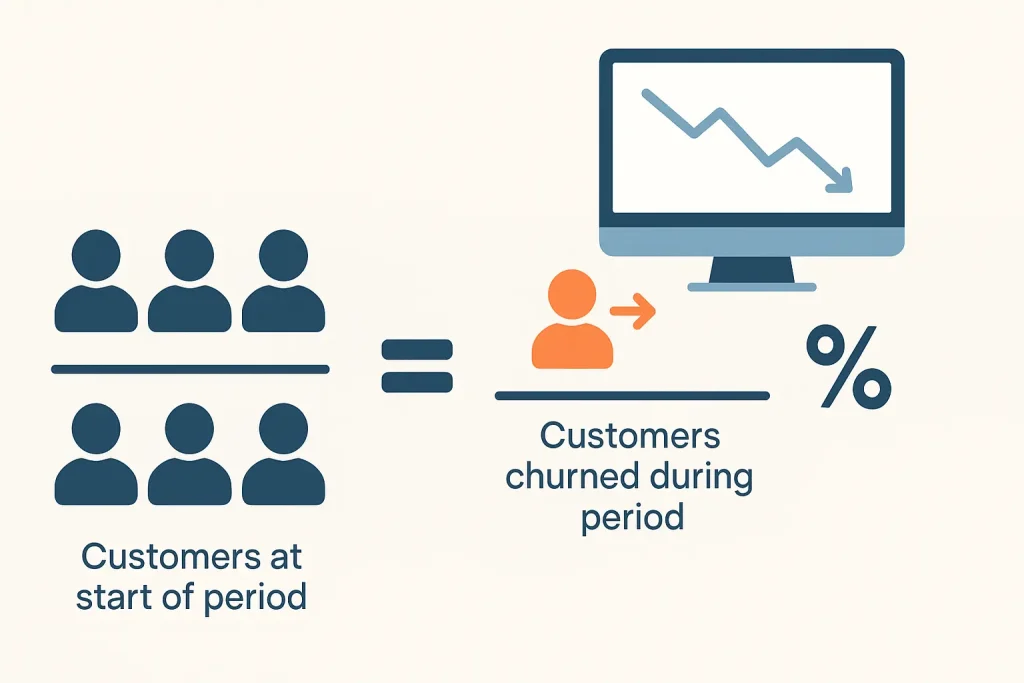
Many SaaS companies hit this wall. They are getting new customers but struggle to keep them. This is a retention problem, and it can quietly sink a business. When customers leave, it’s called churn, and high churn is a big red flag.
This frustrating cycle leads many to ask: Does email marketing work for SaaS anymore, or is it an outdated tool? The answer is a resounding yes. In fact, it’s the most powerful patch for that leaky bucket.
It’s the engine that drives retention, turning fleeting trials into loyal, long-term customers. Forget newsletters; let’s talk about building a real growth machine.
It’s a Journey, Not a Destination
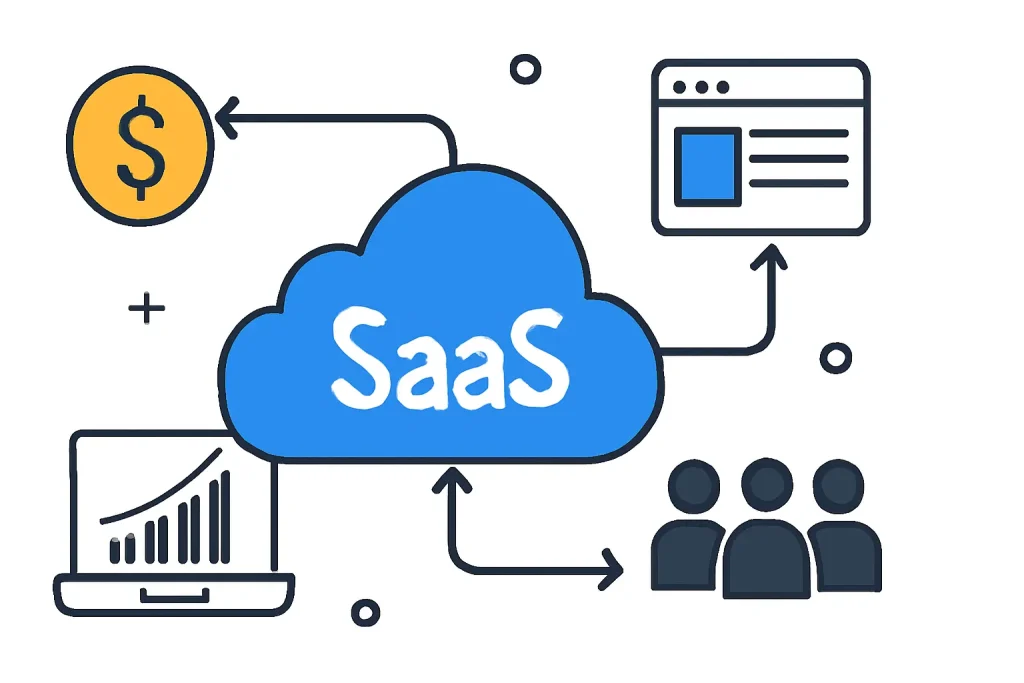
To understand why email marketing is so important for Software as a Service (SaaS), we first need to understand how SaaS businesses work. Unlike a one-time purchase, a SaaS business is all about an ongoing relationship. Customers subscribe to the software, paying month after month. This is called subscription revenue.
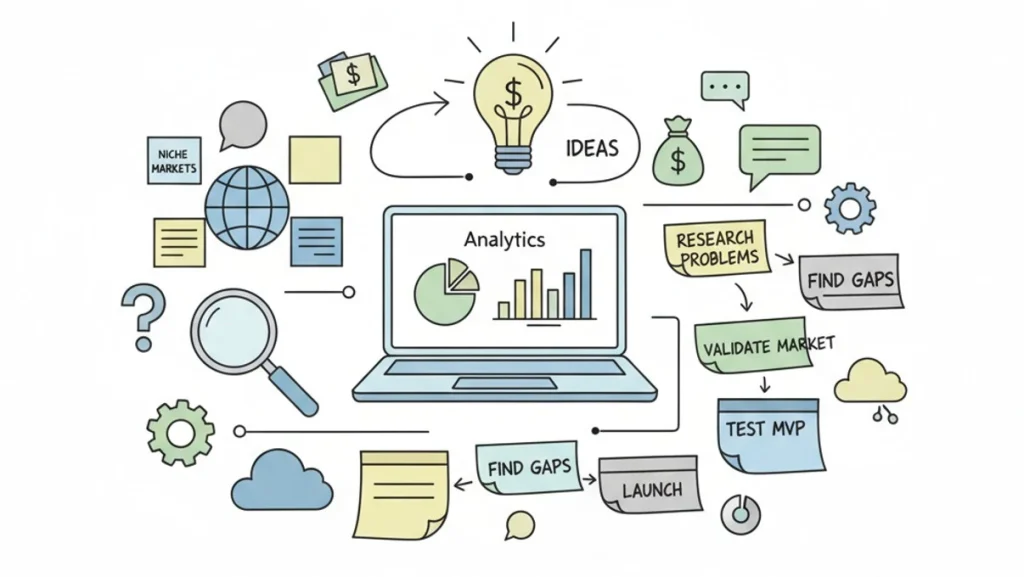
The customer’s path is a journey, not a single event. It starts with a trial, where they test out your product. Then comes activation, the “aha!” moment where they see the real value. After that, the goal is to keep them happy so they continue to subscribe.
This entire process is called the user lifecycle. It’s a continuous circle, not a straight line. To measure success, SaaS companies use special metrics. You’ll often hear terms like Customer Lifetime Value (LTV), which is the total money a customer brings in. There’s also Customer Acquisition Cost (CAC), the cost to get a new customer. And Monthly Recurring Revenue (MRR), the predictable income each month. Finally, there’s the dreaded Churn Rate, the percentage of customers who cancel. Email marketing has a direct impact on all of these important numbers.
The Role of Email Marketing in SaaS: Your Direct Line to Customers
Think of email marketing as your personal, direct channel to your users. Unlike social media or ads, you own your email list. You are not fighting with algorithms to reach your audience. This “owned channel” is a massive advantage for any SaaS business. It’s a reliable way to build a relationship.
So, where does email fit into the customer journey? Everywhere.
- Onboarding and Activation: When someone signs up for a trial, the first few days are critical. Welcome emails can guide them, show them key features, and help them get that “aha!” moment faster. A good onboarding email series can be the difference between a confused user who leaves and an activated user who stays.
- Retention and Renewal: Once a user is on board, the work isn’t done. Regular emails can keep them engaged. You can share tips, announce new features, and remind them of the value they’re getting. This constant communication is key to preventing churn and making sure they renew their subscription.
- Expansion Revenue: Email is also a powerful tool for growth. You can use it to tell happy customers about premium features (upselling) or other products you offer (cross-selling). This is how you increase the LTV of each customer.
- Transactional and Behavioral Emails: These are the quiet heroes of SaaS email marketing. They are automated messages sent based on a user’s actions. For example, an email is sent if a user hasn’t logged in for a week or when they reach a milestone. These emails are super relevant and can gently nudge users back to your product.
Email is more than just sending messages. It’s a way to understand your users’ behavior and respond to it in a helpful way.
Does Email Marketing Actually Work for SaaS? The Proof Is in the Numbers
Let’s get straight to the point: yes, email marketing absolutely works for SaaS. But you don’t have to take our word for it. The data speaks for itself.
According to recent studies, for every $1 spent on email marketing, the average return is a stunning $36 to $42. That’s a huge return on investment (ROI) that is hard to beat with other marketing channels. While some SaaS startups spend less on email marketing compared to public relations, the ROI from email is significantly higher.
But what about specific SaaS goals?
- Boosting Activation: Getting users to that “aha!” moments are crucial. Automated welcome and onboarding email sequences are designed to do just that. By showing users how to get started and highlighting key features, these emails can dramatically improve activation rates.
- Reducing Churn: Losing customers is expensive. Email marketing is one of the best ways to fight churn. Re-engagement campaigns can bring back inactive users, while regular newsletters keep your product top-of-mind. Proactively offering help and showing value through email keeps customers happy and loyal.
Real-World Example:
Look at a company like Social Plug. They use a 10-email onboarding sequence during their 30-day trial. These emails are packed with educational content, guiding new users and helping them succeed. This focus on education and support through email has a direct impact on their trial-to-paid conversion rate.
The proof is clear. Email marketing isn’t just a side task. It’s a core driver of key SaaS metrics like Monthly Recurring Revenue (MRR) and Annual Recurring Revenue (ARR). It directly helps you get more paying customers and keep them for longer.
Why Email Works Especially Well for SaaS: The Data Advantage
So, what makes email and SaaS such a perfect match? The answer lies in data and automation.
SaaS products generate a constant stream of user data. You know when a user logs in, what features they use, and when they get stuck. This information is pure gold for email marketing. It allows you to move beyond generic email blasts and send messages that are incredibly personal and relevant.
This is where marketing automation comes in. You can set up “triggers” that automatically send an email based on a user’s behavior.
- User is inactive for 7 days? Send a friendly “we miss you” email with a tip to get them started again.
- User just used a key feature for the first time? Send a “congratulations” email with a guide on how to get even more value.
- User’s trial is about to end? Send a reminder that highlights the benefits they’ll lose if they don’t upgrade.
This level of personalization is powerful. It makes the user feel understood and supported.
This synergy is especially important in the world of Product-Led Growth (PLG). In a PLG model, the product itself is the main driver of customer acquisition. Email acts as the perfect co-pilot. It serves as a bridge, communicating with users even when they are not inside the app. It can nudge trial users along, celebrate their progress, and show them the path to becoming a paying customer.
When Email Marketing Fails for SaaS: Avoiding Common Mistakes
Email marketing is powerful, but it’s not magic. It can and does fail for some SaaS companies. However, the problem usually isn’t the channel itself. It’s how the channel is used.
Here are some of the most common reasons why email marketing efforts fall flat:
- Sending Generic Blasts: The biggest mistake is sending the same email to every single user. This is like shouting into a crowded room and hoping the right person hears you. Without proper segmentation, your messages will feel irrelevant and get ignored.
- Sounding Like a Robot: Automation is great, but over-automation can strip the humanity from your communication. If your emails are just a series of cold, robotic commands, users will disengage. The goal is to be helpful and personal, not pushy.
- Ignoring Deliverability: You can write the best email in the world, but it’s useless if it lands in the spam folder. Things like maintaining a clean email list and making sure that your domain is properly authenticated are crucial for good deliverability.
- Giving Up Too Soon: Email marketing is a long game. It’s about building relationships, not getting instant sales. Some teams get discouraged when they don’t see immediate results and quit too early. Success comes from consistent effort, testing, and refining your approach over time.
Failure in email marketing is rare because “email is dead.” It’s almost always because the emails were not sent to the right person, at the right time, with the right message.
The Future of Email Marketing in SaaS: Smarter and More Personal
Email marketing isn’t standing still. The future is exciting and powered by Artificial Intelligence (AI) and deeper personalization. We are moving beyond just using a person’s first name in the subject line.
- AI-Powered Personalization: AI is becoming a game-changer for email. It can analyze huge amounts of user data to predict what a customer might do next. This allows for things like predictive segmentation, where you can target users who are likely to churn before they even think about leaving. AI can also optimize when an email is sent to each individual person.
- Content That Adapts: Imagine an email where the content itself changes based on who is reading it. This is becoming a reality with advanced personalization. A new user might see a “getting started” guide, while a power user sees tips for advanced features, all within the same email campaign.
- Connecting Email with Other Channels: Email won’t exist in a silo. It will be part of a larger, omnichannel experience. An email might lead a user to an in-app message, which then connects them to a chatbot for support. This creates a seamless and consistent journey for the customer across all touchpoints.
The core idea is moving from simple demographics to understanding user intent. It’s about sending messages that are not just personalized, but also meaningful and contextually aware. This shift is what will define the next generation of successful SaaS email marketing.
A Practical Framework: How to Make Email Work for Your SaaS
Ready to put these ideas into action? Here is a simple, step-by-step framework to build an email marketing strategy that drives growth for your SaaS business.
1. Map Your Customer Lifecycle:
First, understand the journey your users take. Identify the key stages: new trial user, activated user, paying customer, inactive user, and loyal advocate. What does a user need to do to move from one stage to the next?
2. Create Emails for Each Stage:
Now, build automated email sequences (also called flows or drip campaigns) for each stage.
- Trial Users: A welcome series that onboards them and guides them to activation. Show them the core value of your product quickly.
- Active Customers: Regular newsletters with tips, product updates, and success stories to keep them engaged.
- Inactive Users: A re-engagement campaign to win them back. Remind them of what they’re missing.
3. Segment Your Audience:
Don’t send the same message to everyone. Group your users based on their behavior. For example, create segments for users who have used a specific feature and those who haven’t. This allows you to send highly relevant messages.
4. Measure What Matters:
Don’t get lost in vanity metrics like open rates. Focus on the numbers that impact your business.
- Activation Rate: Are your onboarding emails actually helping users get started?
- Churn Rate: Are your retention emails reducing the number of customers who cancel?
- MRR Lift: Are your upsell emails leading to more revenue?
5. Test, Learn, and Repeat:
Email marketing is not a “set it and forget it” activity. Continuously test different subject lines, calls-to-action (CTAs), and content. Use the data from your measurements to see what works and what doesn’t, and constantly refine your approach.
By following this framework, you can build an email marketing machine that works around the clock to grow your SaaS business.
Frequently Asked Questions (FAQs)
Ready to put this plan into action? To help you move from reading to doing, here are the rapid-fire answers to the most frequently asked questions about email marketing for SaaS.
1. Why is email marketing important for SaaS?
Email marketing is crucial for SaaS because it drives customer retention. It allows you to build direct relationships, guide users through onboarding, and reduce churn by keeping them engaged.
2. How do you measure the success of SaaS email marketing?
Measure success with metrics that impact your business, not just open rates. Focus on activation rates from onboarding emails, reduced churn rates from retention campaigns, and increased revenue.
3. What is the difference between marketing and transactional emails?
Marketing emails build relationships and promote your product (e.g., newsletters). Transactional emails are automated messages triggered by user actions, like password resets or purchase confirmations.
4. How often should a SaaS company send emails?
The right frequency depends on your audience and the email’s purpose. Onboarding may require daily emails, while newsletters could be weekly or monthly. Always provide value to avoid fatigue.
5. What is the biggest email marketing mistake SaaS companies make?
The biggest mistake is sending generic, one-size-fits-all emails. Effective SaaS email marketing relies on segmenting your audience and sending personalized, behavior-driven messages that are highly relevant.
6. What is a good ROI for SaaS email marketing?
Email marketing offers a very high return on investment. While results vary, the industry average is often cited as returning between $36 and $42 for every $1 spent.
It’s Not Just About “Working,” It’s About Building Relationships
So, does email marketing work for SaaS? The answer is a clear and resounding yes. But perhaps we are asking the wrong question.
The real value of email marketing for a SaaS business isn’t just about a one-time conversion or a quick sale. It’s about building and nurturing a long-term relationship with your customers. In the subscription world, this relationship is everything.
Email is the thread that connects you to your users throughout their entire journey. It’s how you guide them, support them, and consistently prove your value. It’s the engine of customer retention, and in SaaS, retention is the foundation of stable, predictable revenue.